In this guide
Quick answer
Your zone is only a rough guide. What really sets planting time is your average last spring frost date, which you can look up by ZIP code. From that date: start slow flowers indoors 8-10 weeks before it, sow cold-tolerant annuals (cornflowers, poppies, calendula) outside 2-4 weeks before it, and sow zinnias, cosmos, sunflowers and marigolds outside 1-2 weeks after it.
USDA hardiness zones are based on how cold winter gets, not on when spring frost ends. Two towns in the same zone can have last frost dates weeks apart, especially if one sits in a valley or at higher elevation. So use the zone to get a feel for your season, then plan around your actual frost date.
Rough last frost dates by zone
These are typical ranges only. Your local date can fall outside them.
| Zone | Typical last spring frost | Start slow flowers indoors | Sow hardy annuals outside | Sow zinnias, cosmos, sunflowers |
|---|---|---|---|---|
| 3 | Late May to early June | Mid to late March | Early to mid May | Early to mid June |
| 4 | Mid to late May | Early to mid March | Late April to early May | Late May to early June |
| 5 | Early to mid May | Late February to early March | Mid to late April | Mid to late May |
| 6 | Mid to late April | Early to mid February | Late March to early April | Late April to early May |
| 7 | Early to mid April | Late January to early February | Mid to late March | Mid to late April |
| 8 | Late March to early April | Mid to late January | Fall, or early March | Early to mid April |
| 9 | February to early March | December to early January | Fall | March |
| 10 | Frost is rare | Rarely needed | Fall | Late winter to spring |
To find your own date, search your ZIP code on your state extension service website or a frost-date calculator. Use the average date, then add a week if you want to play it safe with tender flowers.
Three groups of flowers, three planting times
Almost every flower falls into one of three groups. Learn the group and you know when to sow it, wherever you live.
1. Slow starters: begin indoors 8-10 weeks before last frost. Columbine, foxglove, shasta daisy, bergamot, coleus, Iceland poppy and Johnny jump ups. Most are perennials or biennials that need a long head start to bloom the first year, if they bloom at all. Columbine and bergamot sprout better after 3-4 weeks of cold, damp storage in the refrigerator, so count that time too.
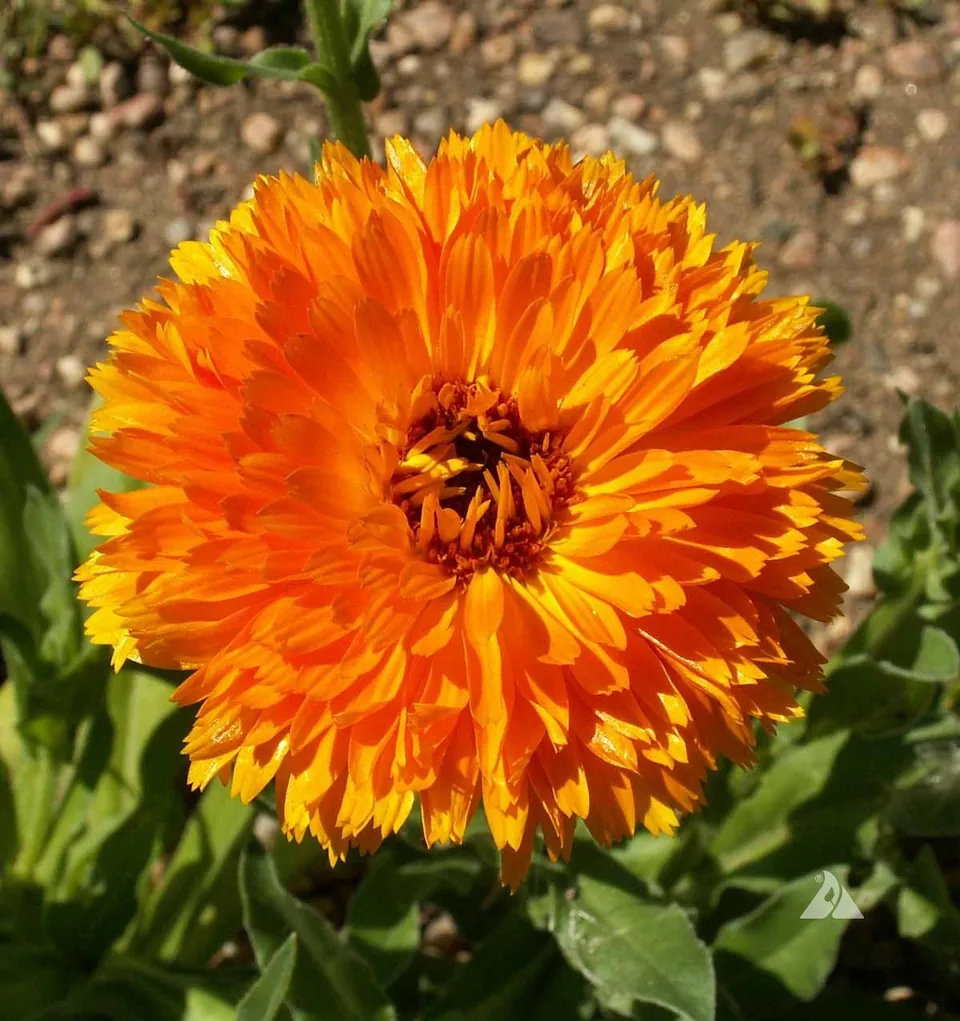
2. Cold-tolerant annuals: sow outside 2-4 weeks before last frost. Cornflowers (tall and dwarf), California poppies, corn poppies, calendula, annual baby's breath and annual phlox. These sprout in cool soil and handle light frost as seedlings. Poppies in particular do better sown early, because they dislike heat and don't transplant well.
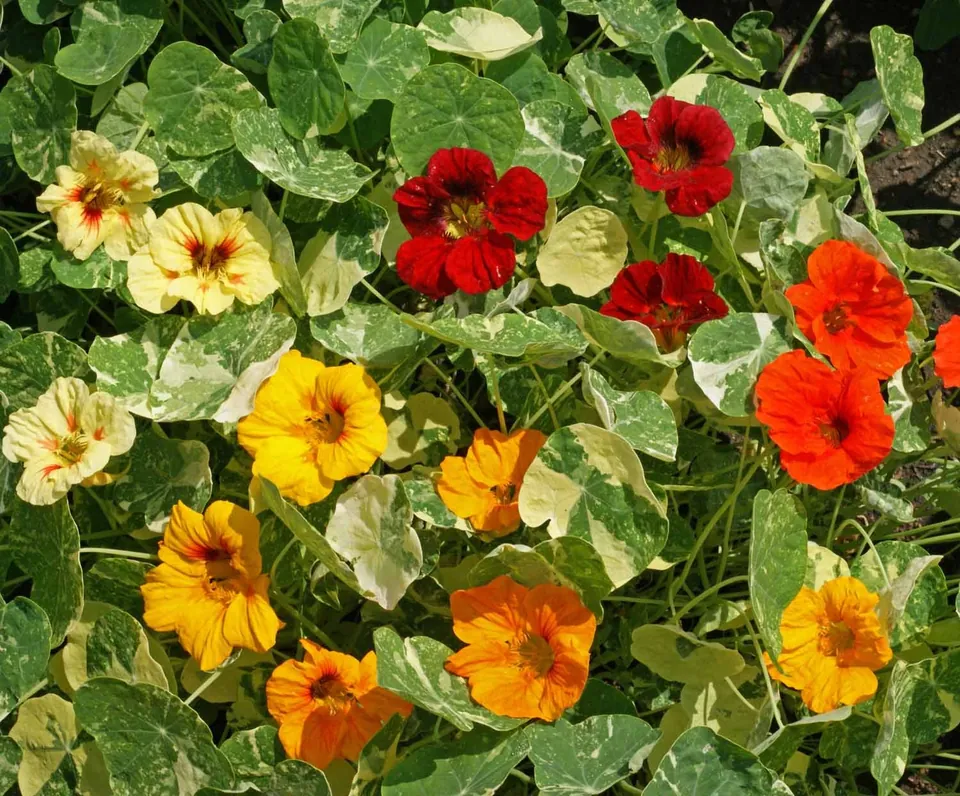
3. Warm-season annuals: sow outside 1-2 weeks after last frost. Zinnias, cosmos, sunflowers, marigolds, nasturtiums, morning glories, four o'clocks and China asters. Frost kills these, and cold soil makes the seed rot or sit still. Wait until nights stay above 50°F. You can start zinnias, cosmos and marigolds indoors about 4 weeks early for earlier blooms, but direct sowing works fine.
For a flower-by-flower chart with indoor weeks and light needs, see which flowers to start indoors and which to sow outside.
How to plan your sowing calendar
- Look up your average last frost date by ZIP code and write it on a calendar.
- Count back 10 weeks and mark "start slow flowers indoors." Count back another 4 weeks before that for columbine and bergamot if you plan to cold-treat the seed in the fridge.
- Count back 2-4 weeks from your frost date and mark "sow cornflowers, poppies, calendula outside." The soil should be thawed and workable, not muddy.
- Count forward 1-2 weeks and mark "sow zinnias, cosmos, sunflowers, marigolds outside."
- Add repeat sowings. Zinnias, cosmos, annual baby's breath and sunflowers can be sown again every 2-3 weeks until about 10-12 weeks before your first fall frost, so you have fresh plants blooming into autumn.
- Check the weather, not just the calendar. A late cold snap beats any chart. If a frost is forecast after you've planted tender seedlings, cover them overnight with a sheet or bucket.
Notes for cold and warm zones
Zones 3-5 (short seasons). Starting slow flowers indoors matters more here, because the summer may be too short for them to catch up. Pick the faster cosmos and zinnias for direct sowing, and sow poppies and cornflowers as soon as the soil can be worked. Perennials like columbine and shasta daisy may not bloom until their second year.
Zones 6-7 (middle ground). Most flowers can be direct sown on schedule. Fall sowing of poppies, cornflowers and black-eyed Susan works in many areas, but spring sowing is more reliable if your winters swing between freezing and thawing.
Zones 8-10 (mild winters, hot summers). Here the cold-tolerant annuals are usually sown in fall and bloom in late winter and spring, before the heat. Calendula, cornflowers, California poppies, Iceland poppies and Johnny jump ups all fit this pattern. Sow heat-lovers like zinnias, cosmos, sunflowers and marigolds in spring, and again in late summer where autumns are long and warm.
A word on toxic flowers
Some flowers in any sowing calendar are poisonous if eaten. Foxglove is toxic in all parts. Four o'clock seeds and roots and morning glory seeds are also toxic. Grow them where small children and pets won't snack on them, label seed packets clearly, and wash your hands after handling the seed. Our flower seeds are for ornamental growing only.
Problems and fixes
- Seedlings died after a late frost. Tender flowers went out too early. Resow; zinnias, cosmos and sunflowers are fast and usually catch up within a few weeks.
- Nothing came up from an early outdoor sowing. Warm-season seed rotted in cold, wet soil. Wait for warmer soil and sow again.
- Indoor seedlings are tall and floppy before it's time to plant out. They were started too early or need more light. Move a grow light to 2-4 inches above them and start a week or two later next year.
- Poppies and cornflowers fizzled in early summer. They were sown too late and hit the heat. Sow earlier next year, or in fall if you're in zone 7 or warmer.
Once your dates are on the calendar, decide what to grow: our cut flower garden plan picks flowers for bouquets, and the pollinator garden guide picks flowers for bees and butterflies. For timing specific flowers, see how to grow zinnias and how to grow cosmos.
Frequently asked questions
Is my growing zone the same as my frost date? No. Hardiness zones are based on the average coldest winter temperature. Frost dates depend on local weather, elevation and terrain. Use your zone to choose perennials that survive your winters, and your frost date to decide when to sow.
What if I miss my planting window? Most annuals still bloom if sown a few weeks late, just later in summer. Fast flowers like zinnias, cosmos and sunflowers can be sown into early summer in most zones. Cold-tolerant annuals like poppies are the ones that suffer from late sowing, because they dislike heat.
Can I sow flower seeds in fall instead of spring? For hardy annuals and many perennials, yes. Sow poppies, cornflowers, calendula, black-eyed Susan and columbine in late fall, after the soil cools but before it freezes, and they'll sprout in spring. In zones 8-10 fall is often the best time. Don't fall-sow zinnias, cosmos or marigolds; the seed won't survive a cold, wet winter.