In this guide
Quick answer
Pick flowers with big seeds that sprout in about a week and bloom in two months or so. Sunflowers, nasturtiums, zinnias, marigolds, calendula, cosmos and dwarf cornflowers are the easiest. Sow them outside after your last frost (calendula and cornflowers a little earlier), give them full sun, and let kids do the sowing, watering and picking. Skip foxglove, four o'clocks and morning glories with young children: parts of those plants are poisonous.
Kids lose interest when nothing happens for three weeks. The flowers below come up fast, grow where you can watch them change every few days, and bloom before summer vacation ends. Most of the seeds are big enough for small fingers to pick up one at a time, which matters more than it sounds.
The 7 easiest flowers for kids
| Flower | Why kids like it | Seed size | Sprouts in | Blooms in (about) |
|---|---|---|---|---|
| Sunflower | Grows taller than they are | Large | 7-10 days | 70-100 days |
| Nasturtium (Dwarf Jewel) | Huge seeds, bright round leaves | Very large | 7-12 days | 50-60 days |
| Zinnia (Thumbelina) | Blooms while still tiny | Medium | 5-10 days | 45-60 days |
| French marigold (Sparky Mix, Dainty Marietta) | Tough, nonstop flowers | Medium, stick-like | 5-7 days | 50-60 days |
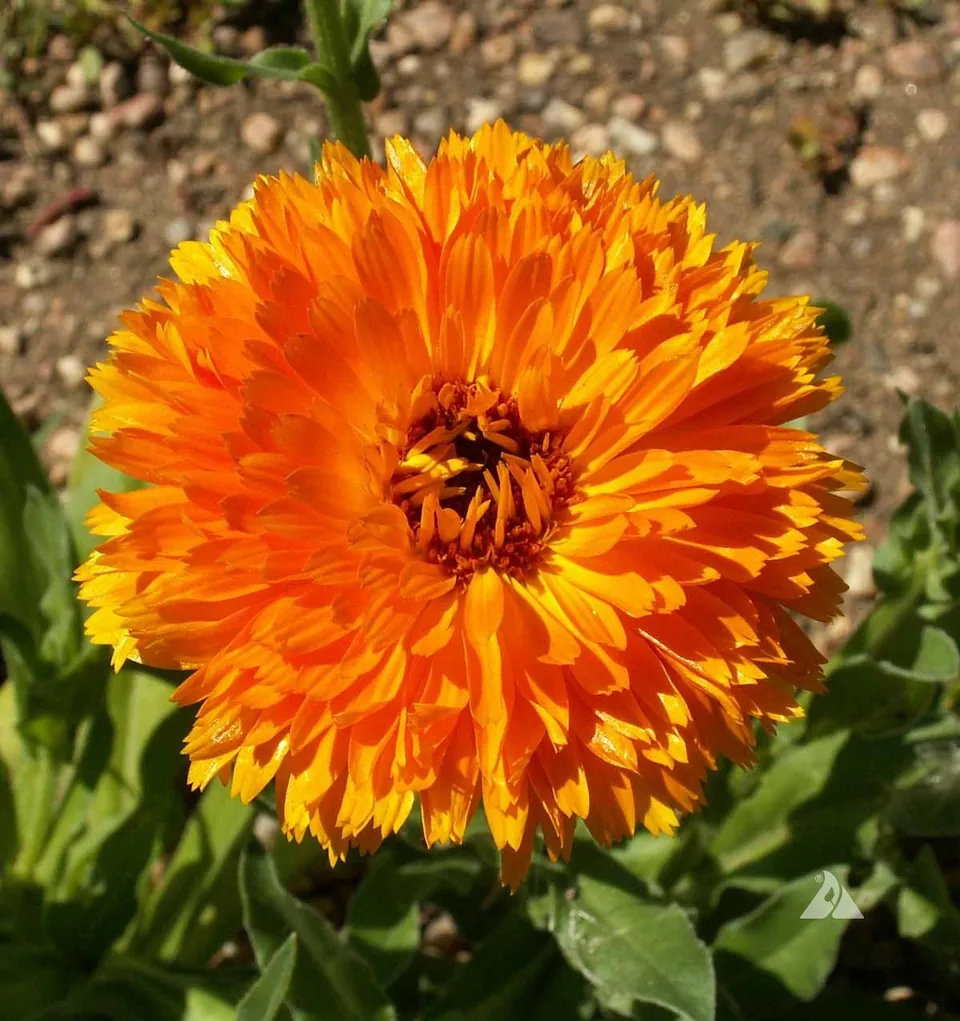
| Calendula (Pacific Beauty, Ball's Orange) | Curly seeds, bright orange flowers | Medium | 7-10 days | 45-60 days |
| Cosmos (Sensation Mix, Candystripe) | Fast, tall, feathery | Medium, stick-like | 7-10 days | 60-80 days |
| Dwarf cornflower (Polka Dot Mix) | True blue flowers, good for picking | Small but easy | 7-14 days | 60-70 days |
All seven grow best sown straight into the garden. No grow lights, no transplanting, and kids get to see the whole cycle in one spot.
When to plant
- Sunflowers, nasturtiums, zinnias, marigolds and cosmos: sow outside 1-2 weeks after your last spring frost, once the soil feels warm. These are frost-tender, and seed in cold, wet soil can rot.
- Calendula and dwarf cornflowers: these handle cool weather. Sow them around your last frost date, or even 2-3 weeks before it.
Timing depends on where you live. Our flower planting calendar by zone shows how to work out your dates.
How to plant with kids, step by step
- Give them their own patch. A 3 x 3 foot square or a big pot that is clearly theirs works better than a corner of your bed. Mark the edges with sticks or string.
- Pick a sunny spot. All seven flowers want 6 or more hours of direct sun.
- Loosen the soil with a hand trowel and pull out weeds and rocks. Kids are good at this part.
- Show them the depth. A simple rule: plant a seed about 2-3 times as deep as it is wide. Sunflowers and nasturtiums go about 1/2-1 inch deep (one knuckle). Zinnias, marigolds, calendula and cosmos go about 1/4 inch. Cornflower seeds need only a light covering.
- Space them out. Have kids drop seeds into finger holes a few inches apart rather than sprinkling. It saves thinning later.
- Label every row. Plant markers with the flower name and the date let kids count the days to sprouting.
- Water gently with a small watering can or a hose on a soft setting, and keep the soil damp until seedlings are up.
- Thin the seedlings once they have their second set of leaves. Let kids snip extras with scissors at soil level; pulling disturbs the neighbors.
A good way to keep a 5-year-old interested: plant one sunflower seed in a clear cup of damp potting mix against the side, so they can watch the root go down before the shoot comes up. Move it outside when it has true leaves.
Plant-by-plant tips
Sunflowers. Grey Stripe is the giant type with big seed heads. Henry Wilde and Chocolate Cherry are good for a row of mixed colors. Plant them along a fence or the north side of the patch so they don't shade the shorter flowers. Tall plants may need a stake in windy spots. If you leave a few heads standing in fall, birds will pick out the seeds.
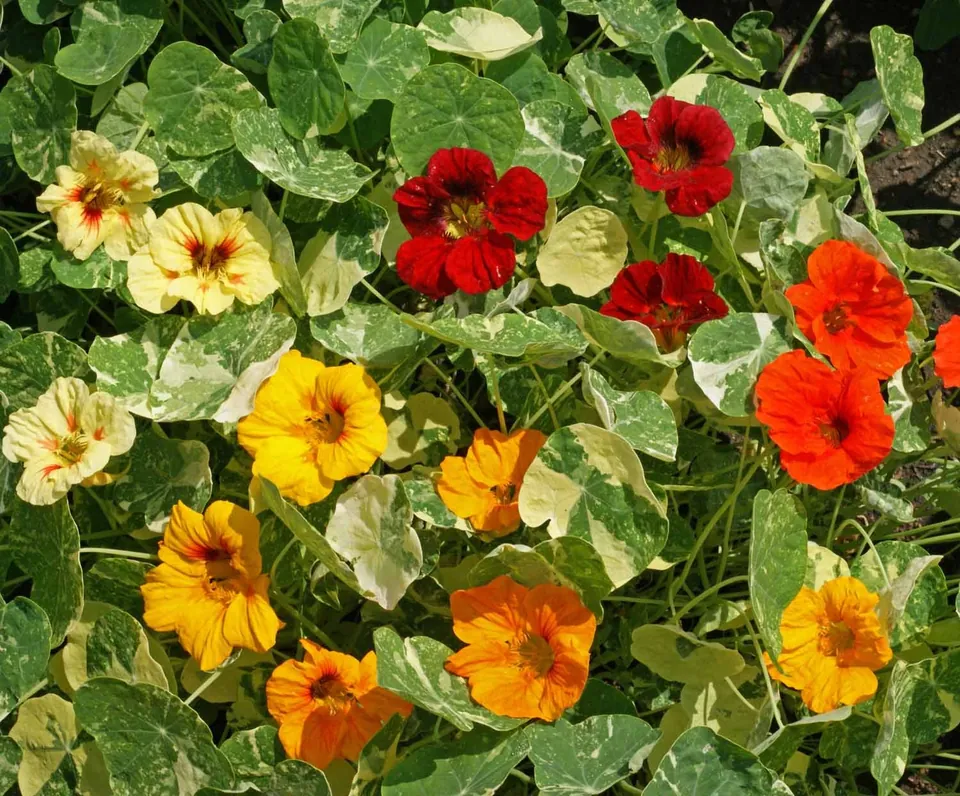
Nasturtiums. Soak the seeds in water overnight before planting, and they sprout faster. Dwarf Jewel stays bushy and low, so it suits pots and edges. Nasturtiums flower best in plain soil without much fertilizer; rich soil gives lots of leaves and few flowers.
Zinnias. Thumbelina stays about 6-8 inches tall and blooms very young, so even small kids see results quickly. The more flowers they cut, the more the plants make. See our zinnia guide for more.
Marigolds. Nearly impossible to kill once they're up. Pinch off faded flowers to keep new ones coming. Kids can pull apart a dry, brown flower head at the end of summer to find the seeds inside.
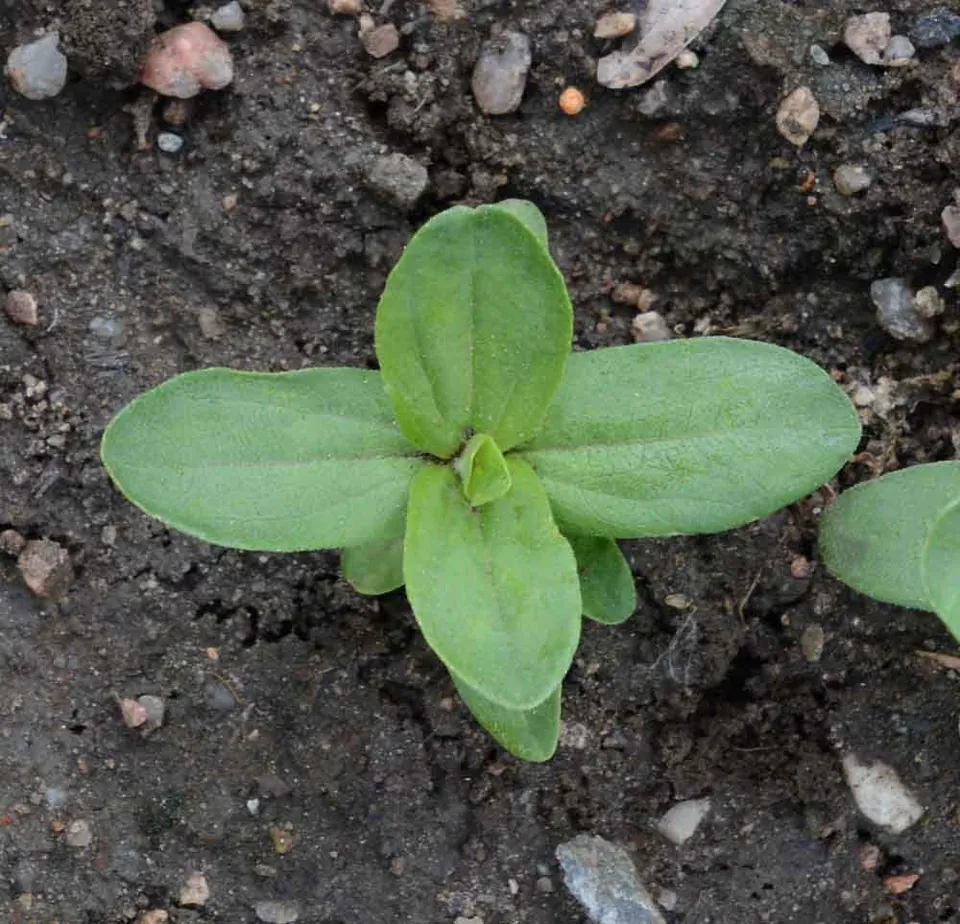
Calendula. The seeds are curled like little crescents, which kids find fun to sort. Plants slow down in hot midsummer weather and pick up again as it cools.
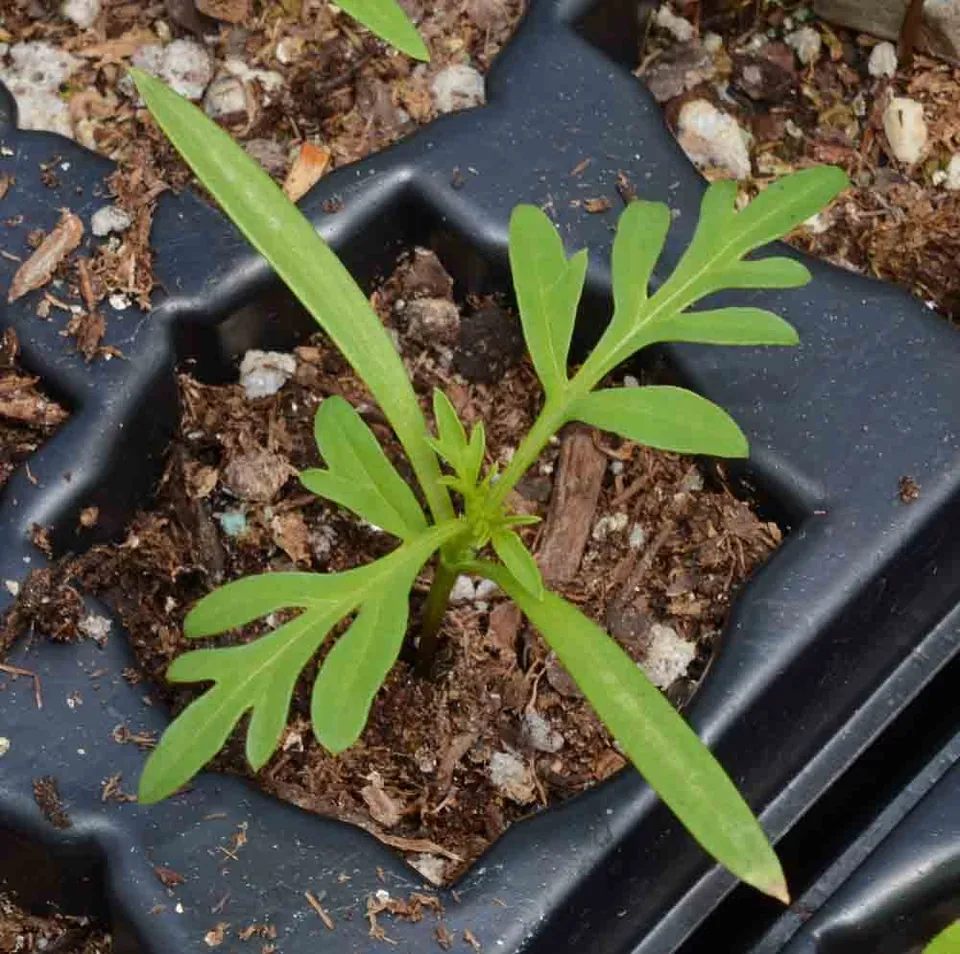
Cosmos. Grows fast and tall with feathery leaves, and bees and butterflies visit all summer. Our cosmos guide covers spacing and cutting.
Dwarf cornflowers. One of the few easy blue flowers. They are good for kids who want to pick small bunches.
Flowers to skip with young children
Some flowers in a mixed seed kit are not a good fit for a toddler's garden:
- Foxglove: all parts of the plant are poisonous if eaten.
- Four o'clock: the seeds and roots are poisonous.
- Morning glory: the seeds are toxic if swallowed.
These are fine to grow in a part of the garden where small children don't play. Whatever you plant, teach kids that garden flowers and seeds are for looking at, picking and planting, never for eating, and have them wash their hands after gardening. Our flower seeds are sold for ornamental growing only.
Problems and fixes
- Nothing came up. Usually the soil was too cold, too dry or the seed went too deep. Wait for warm soil, keep the surface damp, and plant at the right depth.
- Seedlings vanished overnight. Slugs, snails or birds. Check at dusk for slugs, and lay a piece of netting over the bed until seedlings are a few inches tall.
- Tall, floppy seedlings. Not enough sun. Move pots to a sunnier spot; in the ground, choose a better site next time.
- Kids watered once and forgot. Put the watering can next to the door and make it part of a daily routine, or give each child one pot they're in charge of.
- Sunflowers fell over. Tie them loosely to a stake or fence, and plant tall types out of the wind next year.
If your kids enjoy this, the next steps are a small patch of flowers for bees and butterflies (see our pollinator garden guide) or a bed just for picking, covered in our cut flower garden plan.
Frequently asked questions
What is the fastest flower to grow from seed? Thumbelina zinnias, French marigolds and calendula can start blooming in about 6-8 weeks from sowing in warm weather. Nasturtiums are close behind.
Can kids grow flowers in pots? Yes. Dwarf Jewel nasturtiums, Thumbelina zinnias and French marigolds all do well in a pot at least 8 inches wide with drainage holes. Pots dry out quickly, so check them daily in summer.
What age can kids start growing flowers from seed? Preschoolers can push big seeds like sunflowers and nasturtiums into the soil with a little help. Older kids can handle smaller seeds, labels and thinning on their own. Supervise young children closely, since some garden plants are poisonous if eaten.